In today’s fast-paced world, finding time to slow down can feel challenging. Between work, family responsibilities, daily errands, and personal goals, relaxation is often pushed aside until there is “extra time.” However, taking care of your well-being should not be something you do only when you are exhausted. Building a consistent relaxation routine with small, intentional habits can help support your physical health, mental clarity, and overall sense of balance.
Relaxation is more than simply taking a break. It is an important part of a healthy lifestyle that allows your body and mind to recharge. Just like exercise and nutrition, relaxation plays a role in helping you feel your best. By creating simple moments of calm throughout your day, you can reduce stress, improve focus, support better sleep, and create a stronger connection with yourself.
Start Your Day with Mindful Moments
A relaxing routine does not have to begin at the end of a busy day. Starting your morning with a few peaceful moments can set a positive tone for the hours ahead. Instead of immediately reaching for your phone or rushing into your schedule, try taking a few minutes to stretch, practice deep breathing, enjoy a quiet cup of tea or coffee, or set an intention for the day.
Morning mindfulness helps create a sense of control and calm before daily responsibilities begin. Even five minutes of intentional relaxation can make a difference in your mood and energy levels.
Create a Calming Evening Routine
Your evening routine is an opportunity to transition from a busy day into a state of rest. Creating relaxing nighttime habits can help signal to your body that it is time to slow down and prepare for sleep.
Consider activities such as gentle stretching, reading a book, journaling, listening to calming music, or practicing relaxation techniques before bed. Reducing screen time and creating a peaceful environment can also encourage better sleep quality and help your mind unwind.
A consistent evening routine does not need to be complicated. The goal is to create habits that help you feel relaxed, comfortable, and ready to recharge.
Incorporate Movement for Relaxation
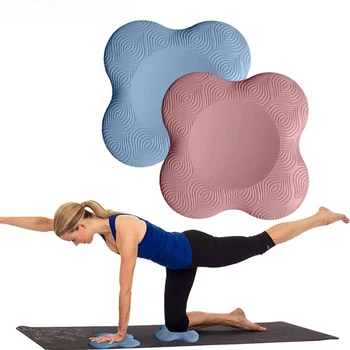
While exercise is often associated with energy and strength, movement can also be a powerful relaxation tool. Gentle activities like yoga, walking, stretching, and mobility exercises help release tension while supporting physical and emotional wellness.
Taking a short walk outdoors can provide a refreshing mental reset, while stretching can help relax tight muscles after a long day. The key is choosing activities that feel enjoyable rather than stressful. Relaxation and movement can work together to help your body feel balanced and refreshed.
Use Relaxation Tools to Enhance Your Routine
Small wellness tools can make relaxation practices easier and more enjoyable. Aromatherapy, massage tools, comfortable sleep accessories, and mindfulness products can help create a calming atmosphere and support your personal self-care routine.
For example, using soothing scents during meditation, enjoying a relaxing massage after physical activity, or creating a comfortable space for rest can transform ordinary moments into opportunities for recovery. The best relaxation routine is one that fits your lifestyle and helps you consistently make time for yourself.
Practice Deep Breathing and Mindfulness
One of the simplest ways to relax is through intentional breathing. Deep breathing exercises can help calm the nervous system and bring your attention back to the present moment.
Practices like mindful breathing, meditation, and gratitude can help reduce feelings of stress and encourage a more positive mindset. These techniques can be done almost anywhere, making them easy habits to include even on the busiest days.
Make Relaxation a Daily Priority
Creating a relaxation routine is not about adding another task to your schedule. It is about making your well-being a priority through small, meaningful choices. A few minutes of quiet time, a calming stretch, or a mindful moment can have lasting benefits when practiced consistently.
Remember that relaxation looks different for everyone. Some people may find peace through movement, while others may enjoy quiet reflection, creative hobbies, or spending time outdoors. The most effective routine is one that feels natural, enjoyable, and sustainable.
Relaxation Day is a great reminder that caring for yourself is an essential part of healthy living. By incorporating small relaxation habits into your daily routine, you can support your mind, body, and overall wellness. Start with one simple practice today and discover how small moments of calm can create big benefits for your health and happiness.




0 Comments