Staying active is one of the best things you can do for your overall wellness. Whether you enjoy walking, strength training, yoga, running, cycling, or working out at home, movement helps you build healthy habits and support your physical well-being. But there is another important part of an active lifestyle that is sometimes overlooked: recovery.
Your body needs time to rest, recover, and recharge after physical activity. Stretching, gentle movement, hydration, nutritious food, quality sleep, and relaxation can all play a role in helping you feel your best. When you make recovery part of your routine, you are not taking a step backward—you are giving your body the care it needs to keep moving forward.
Stretching Helps You Stay Mobile
Stretching is a simple way to make mobility part of your everyday wellness routine. When muscles are warm after activity, gentle stretching can help you transition from exercise to relaxation.
Regular stretching can also help you maintain flexibility and range of motion. This can make everyday movements—such as reaching, bending, walking, or getting up and down—feel more comfortable.
You don’t need an elaborate stretching routine. Start with a few minutes and focus on the areas you used during your workout. Move slowly, breathe naturally, and avoid forcing a stretch. The goal is to create a comfortable routine that supports your body’s mobility.
A yoga mat or comfortable exercise mat can make stretching at home easier and more enjoyable.
Recovery Gives Your Body Time to Recharge
It’s easy to think that more exercise always means better results. However, constantly pushing your body without enough recovery can leave you feeling worn down.
Recovery gives you an opportunity to step back from demanding workouts and allow your body to recharge. Rest days, gentle movement, stretching, and relaxing activities can all become part of a balanced fitness routine.
Think of recovery as one side of the fitness equation. Exercise provides the challenge, while recovery gives your body time to adapt to that challenge.
Finding the right balance can help you stay consistent with your fitness goals without making every day feel like a competition.
Hydration Supports an Active Lifestyle
Water is another important part of recovery. Your body relies on adequate hydration for many everyday functions, and physical activity can increase your need for fluids.
Keep water nearby throughout the day, especially before and after exercise. A reusable water bottle can make staying hydrated more convenient and help turn drinking water into a regular habit.
Hydration doesn’t have to be complicated. Make it easy, keep water accessible, and remember that taking care of yourself happens throughout the entire day—not just during your workout.
Nutrition Helps Fuel Your Recovery
What you eat also matters when you’re taking care of an active body. A balanced diet provides the nutrients your body needs to support normal function and an active lifestyle.
After exercise, consider choosing foods that provide protein, carbohydrates, healthy fats, vitamins, and minerals. Protein is an important nutrient for maintaining and repairing body tissues, while carbohydrates provide energy.
Fruits, vegetables, whole grains, lean proteins, beans, nuts, seeds, and other nutrient-rich foods can all contribute to a balanced eating pattern.
You don’t need to make nutrition complicated. Focus on consistent, nourishing choices rather than trying to eat perfectly.
Don’t Forget About Sleep
One of the most important recovery tools is completely free: sleep.
Sleep gives your body and mind valuable time to rest and recharge. When you consistently get enough quality sleep, you may find it easier to approach your workouts, daily responsibilities, and wellness goals with more energy.
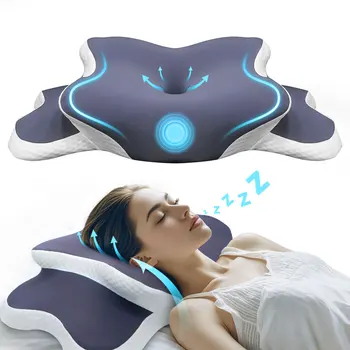
Create a relaxing bedtime routine that helps signal to your body that it’s time to slow down. Comfortable pillows, sleep masks, calming music, or white noise can help create a peaceful environment.
Just as you schedule time for exercise, make time for rest.
Massage and Relaxation Can Be Part of Recovery
Recovery doesn’t have to feel like another task on your to-do list. It can also be an opportunity to relax.
Massage tools, foam rollers, foot massagers, heated neck and shoulder massagers, and other wellness products can be incorporated into a relaxing routine at home. Use them according to their instructions and choose gentle, comfortable techniques.
Taking a few minutes to relax after a busy day can give you an opportunity to reconnect with your body and recognize when you need rest.
Listen to Your Body
Perhaps the most important part of recovery is learning to listen to yourself. Some days you may feel ready for a challenging workout. Other days, your body may be asking for something gentler.
Pay attention to how you feel and adjust your activity accordingly. If you experience persistent or severe pain, don’t try to push through it—consider speaking with an appropriate healthcare professional.
Your wellness journey doesn’t have to be perfect. It simply needs to be sustainable.
Stretch, Recover, and Feel Better
Fitness isn’t just about how much you can lift, how far you can run, or how many workouts you can complete. It’s also about caring for yourself before, during, and after physical activity.
Make stretching part of your routine. Stay hydrated. Eat nourishing foods. Prioritize sleep. Take rest days. Enjoy gentle movement and relaxation. Most importantly, give yourself permission to recover.
Stretch. Recover. Feel better. Keep moving. When you take care of your body today, you’re helping create a stronger, healthier foundation for tomorrow.
At Thriving and Balanced, we believe wellness is about making positive choices that support the whole you—body, mind, and everyday life. Take care of yourself, recover with intention, and keep moving toward the healthiest, happiest version of you.



0 Comments